Vera Hansen · 11 October 2026
Chef-Winery Collaborations Lead to Tailored Production Approaches for International Wine Trade
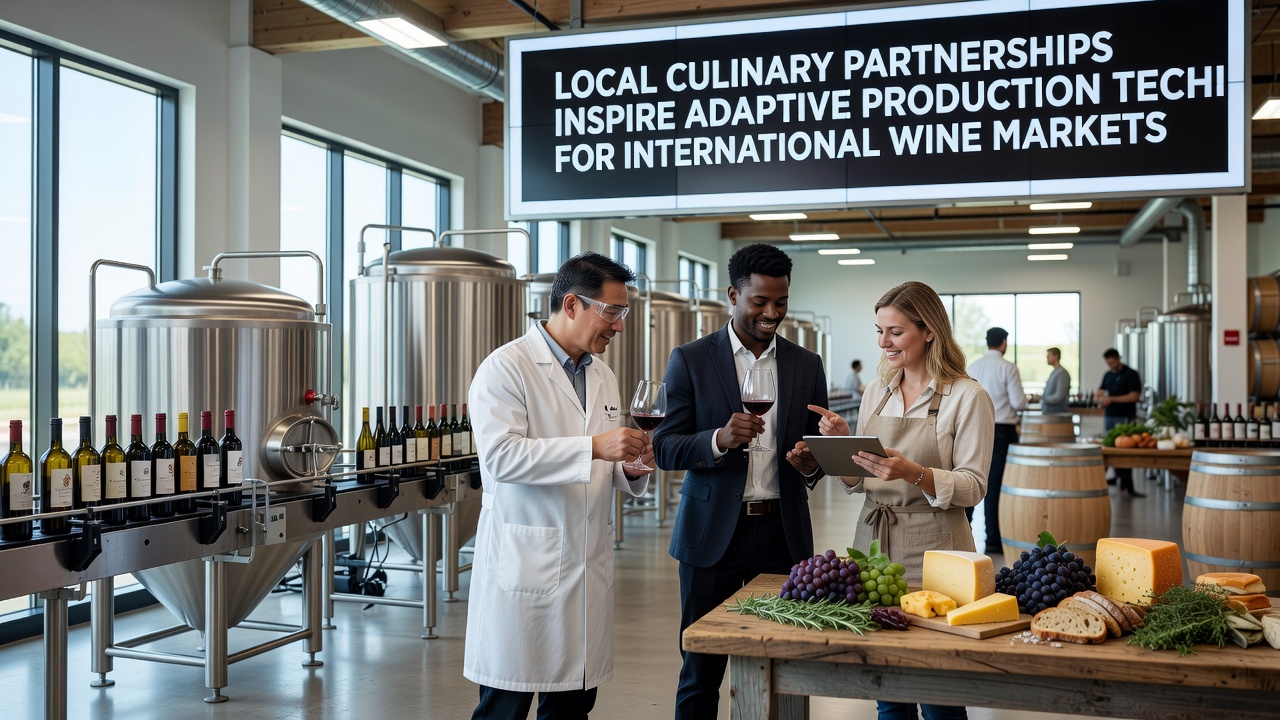
Regional culinary partnerships continue to influence how wineries adjust fermentation times, grape selections, and aging processes to meet demands in export markets across Asia, North America, and Europe, with data from multiple trade reports showing measurable shifts in output volumes since 2023. Observers note that these alliances often begin with shared tastings where chefs highlight specific flavor profiles that pair with local dishes, prompting producers to modify techniques such as extended maceration for bolder tannins or cooler fermentations to preserve acidity levels suited to certain cuisines.
Partnership Models Emerging Across Italian Regions
Wineries in areas outside traditional hotspots have formed direct ties with restaurants and culinary schools, leading to collaborative trials that test new blends for markets like Japan and the United States. According to figures from the International Organisation of Vine and Wine, Italian wine exports rose 4 percent in the first half of 2025, with several producers citing chef feedback as a factor in refining varietal choices for overseas shipments. These partnerships allow smaller estates to gather real-time input on how wines perform alongside dishes such as seafood preparations or spiced meats, resulting in adjustments that include earlier bottling dates or added oak exposure during maturation.
One study conducted by researchers at the University of Verona tracked twenty estates over eighteen months and found that those engaging regularly with local chefs reported a 12 percent increase in repeat orders from foreign distributors. The work involved monitoring changes in residual sugar levels and pH balances, which producers then aligned with feedback from kitchen teams preparing meals for international clients.
Production Adjustments Driven by Market Feedback
Adaptive techniques now include selective harvesting based on projected pairings, where crews pick grapes at precise ripeness stages to deliver wines that complement specific regional foods abroad. Data shows that estates using these methods reduced waste by 8 percent on average during the 2025 harvest season. Wineries also experiment with native yeast strains after chefs report better integration with certain sauces or preparations, a practice that has spread through industry networks since late 2024.
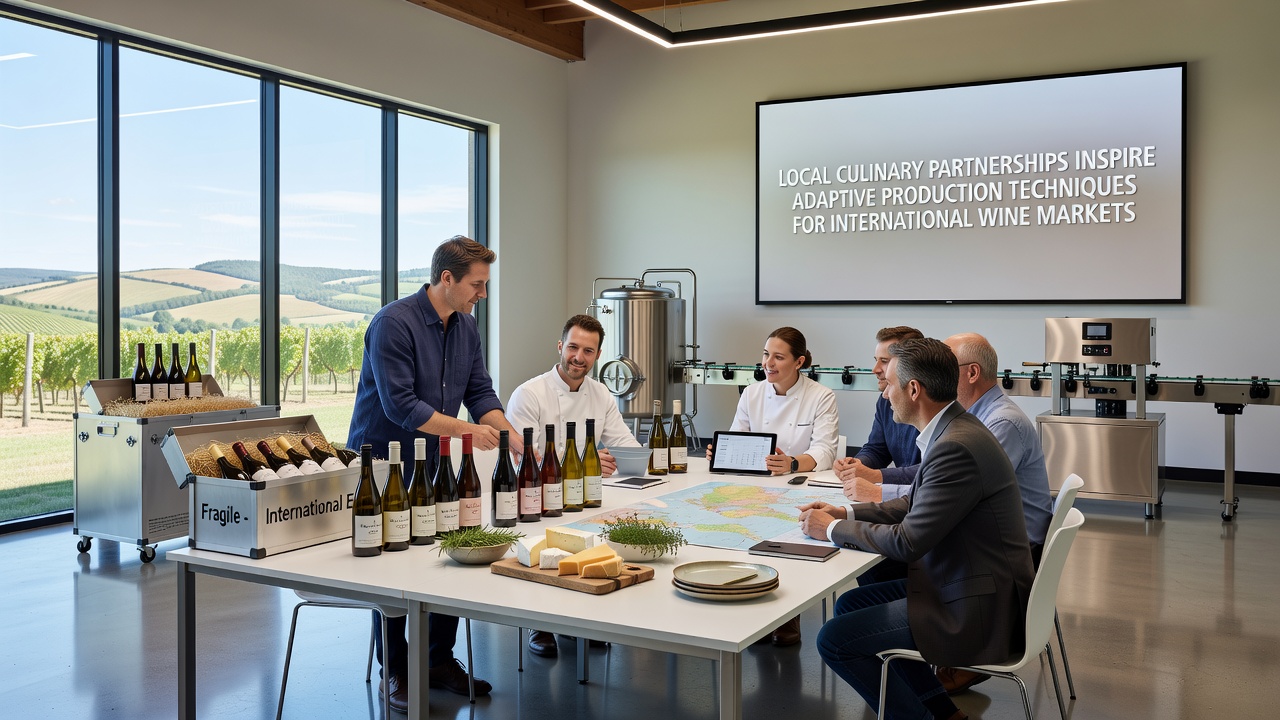
October 2026 brings additional focus as several regional festivals schedule joint events between producers and chefs, timed to preview wines adjusted for upcoming export cycles. These gatherings provide platforms for direct exchange, where participants review sensory data collected from prior shipments and plan further refinements in vineyard management or cellar practices. External analyses from sources such as the International Organisation of Vine and Wine indicate that such coordinated efforts correlate with steadier demand in markets sensitive to food-wine compatibility.
Export Data and Technique Shifts
Export statistics compiled through 2025 reveal that wines from partnership-influenced estates achieved higher placement rates on restaurant lists in key cities like New York and Singapore. Producers attribute part of this success to targeted tweaks, including reduced sulfur additions after chefs noted cleaner finishes with lighter fare. Research teams at agricultural institutes in multiple countries continue to document how these changes affect shelf stability during long-distance transport, with results feeding back into local production calendars.
Further examples include estates in central Italy that introduced micro-oxygenation steps following input from culinary partners aiming to match wines wth grilled preparations popular in export regions. Trade records show corresponding growth in volumes directed toward those destinations, underscoring the practical outcomes of these exchanges.
Conclusion
Continued monitoring by industry groups and academic centers suggests that local culinary partnerships will keep shaping production calendars and technical decisions as wineries prepare for sustained international distribution. The patterns observed through 2026 point to ongoing integration of chef perspectives into vineyard and cellar operations, supporting measurable outcomes in export performance without relying on isolated approaches.