Vera Hansen · 13 September 2026
Pevino Vineyards Integrates Advanced AI Systems for Precision Viticulture Monitoring
Precision viticulture relies on detailed data collection across vineyard blocks, and Pevino Vineyards has incorporated artificial intelligence platforms to process inputs from soil sensors, weather stations, and aerial imagery in real time. The approach combines satellite data with ground-level measurements so that managers can identify variations in vine health before visible symptoms appear. Researchers at several institutions have documented similar integrations in other regions, yet the scale of deployment at Pevino stands out because of continuous updates rather than seasonal snapshots.
Core Components of the Monitoring Network
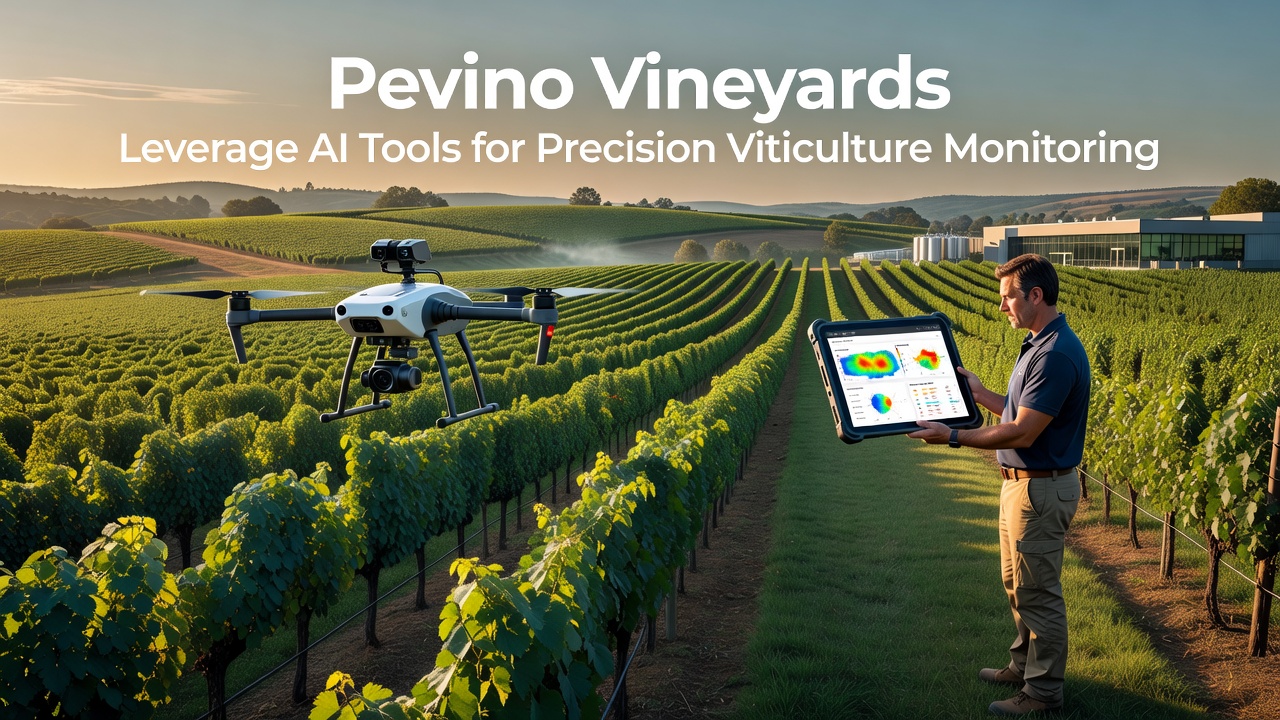
Multiple layers of hardware feed information into the AI models. Soil moisture probes placed at varying depths transmit readings every fifteen minutes, while multispectral cameras mounted on drones capture canopy density and chlorophyll levels during weekly flights. Weather stations positioned at field edges supply temperature, humidity, and wind data that algorithms cross-reference with historical harvest records. Observers note that this combination allows the system to flag potential water stress or disease pressure days earlier than traditional scouting methods alone.
Data streams converge in a central dashboard where machine learning models cluster blocks by similarity. One cluster might indicate early ripening zones that require adjusted irrigation schedules, while another highlights areas showing nutrient deficiencies. Technicians then schedule targeted interventions instead of treating entire parcels uniformly. Figures from comparable operations indicate that such zoning can reduce water usage by up to twenty percent without lowering yields.
Implementation Timeline and Recent Updates
Initial sensor installation began in spring 2024 across the estate's core parcels, followed by software calibration through the following winter. By mid-2025 the models had incorporated two full growing seasons of data, improving prediction accuracy for botrytis risk and harvest timing. In September 2026 the vineyard team added a new layer of edge computing devices that process imagery on-site before uploading summaries, cutting latency during peak monitoring periods. Those devices also allow offline operation if connectivity drops during harvest.
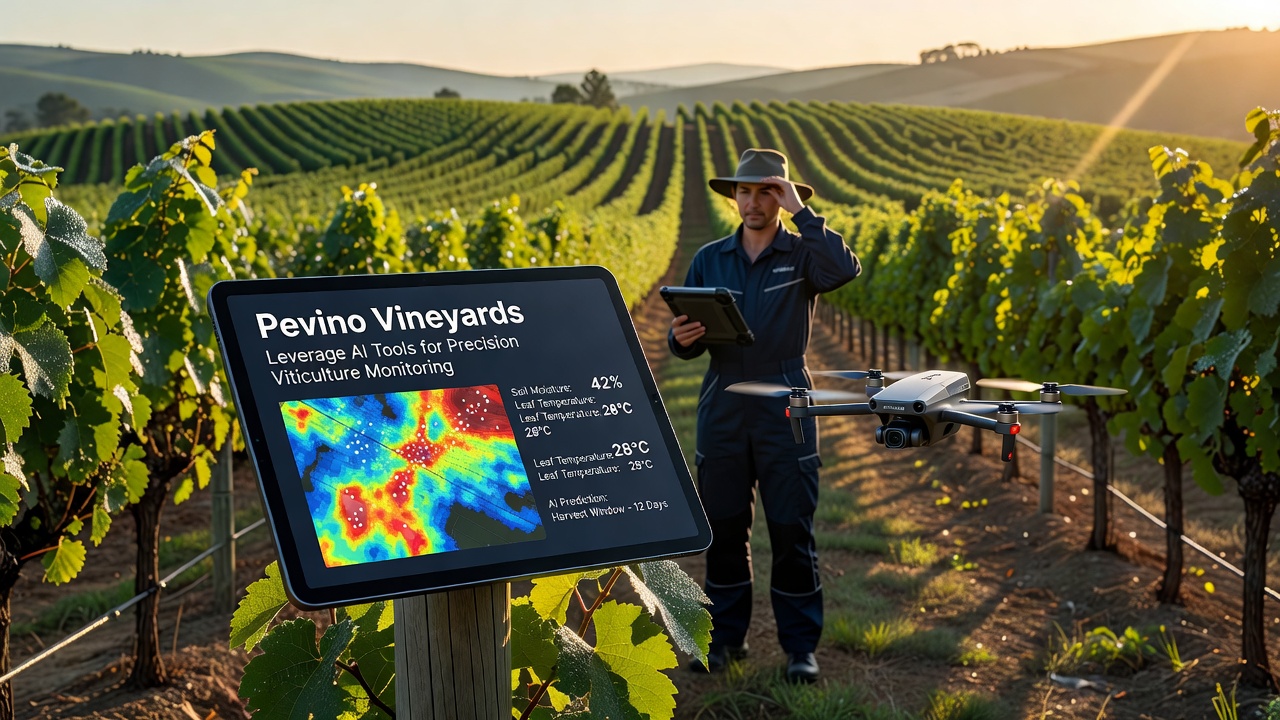
Integration with existing farm management software occurred through API connections rather than full platform replacement, preserving historical records while adding predictive layers. Staff training focused on interpreting model outputs instead of replacing field expertise, so viticulturists continue to verify alerts through direct observation before acting. This hybrid workflow appears in reports from several European estates that have adopted similar systems over the past decade.
Data Sources and External Benchmarks
Model training draws on both proprietary vineyard records and public datasets. Australian Wine Research Institute publications supplied baseline algorithms for canopy analysis that were then retrained on local Italian conditions. Additional calibration used growth-stage data published by the European Commission's Joint Research Centre, which maintains long-term climate and phenology archives for Mediterranean wine regions. These external references help the system distinguish between normal seasonal variation and anomalies that warrant attention.
Performance metrics collected through 2026 show that alerts for downy mildew risk aligned with laboratory confirmation in eighty-seven percent of flagged cases. Irrigation recommendations matched vine water status measured by pressure bomb tests in ninety-two percent of tested blocks. Such alignment rates exceed earlier rule-based systems that relied on fixed thresholds rather than learned patterns.
Operational Adjustments Across Seasons
During the 2025 vintage the AI platform suggested splitting one large block into three management zones based on soil variability maps. The vineyard crew implemented differential harvesting dates within that block, resulting in separate lots that displayed distinct chemical profiles at pressing. Winemakers later used those differences to adjust blending decisions. Similar zoning occurred in 2026 after models detected uneven ripening linked to slope aspect and drainage patterns.
Maintenance routines have also shifted. Instead of calendar-based checks, sensor health is monitored continuously, and drone flights are triggered automatically when cumulative degree-day models reach critical thresholds. This change reduced unnecessary flights while increasing coverage during high-risk windows such as post-rain periods that favor fungal development.
Conclusion
Pevino Vineyards continues to refine its AI monitoring setup by incorporating new sensor types and retraining models each season. The combination of real-time data streams, machine learning clustering, and targeted field verification provides a structured method for managing vineyard variability. External benchmarks from research bodies in Australia and Europe supply reference points that keep the local system aligned with broader industry practices. As additional growing seasons accumulate, the models gain further precision, supporting consistent decision-making across changing weather patterns.