Jonas Bauer · 2 September 2026
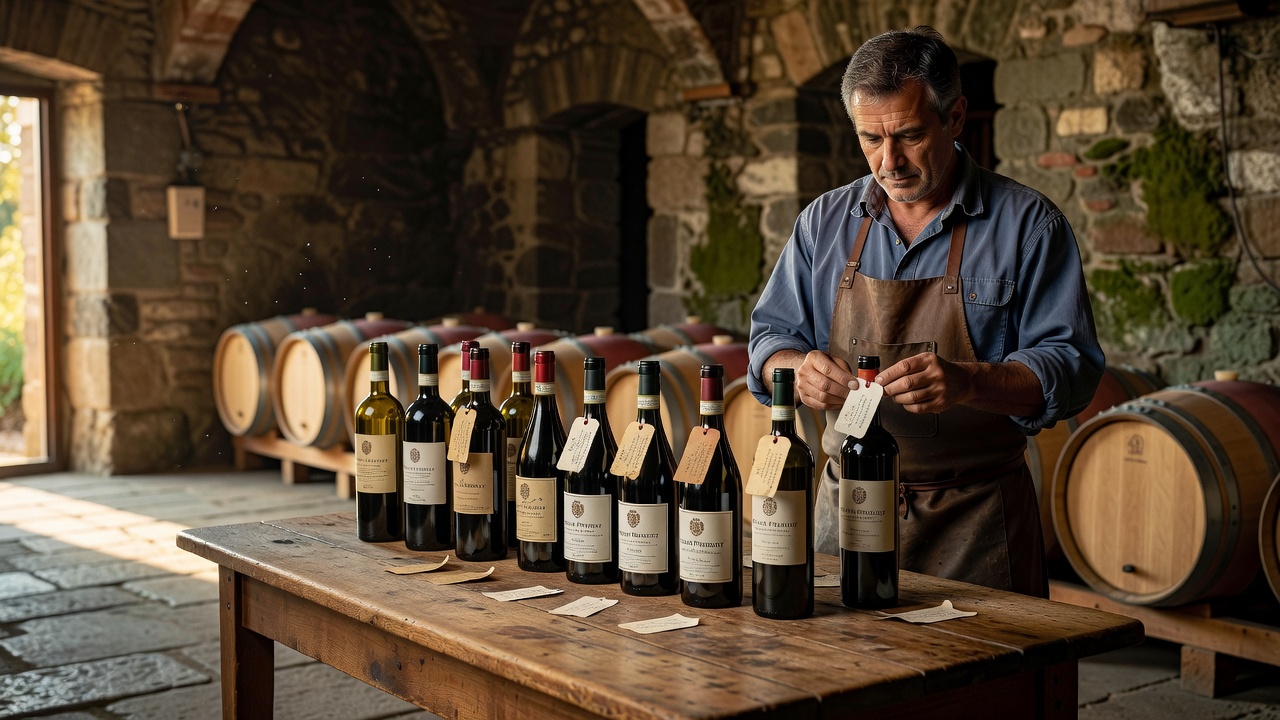
Updated labeling regulations introduced by the European Union and adopted in Italy are creating new challenges for wineries in the Piedmont region. These laws require enhanced details on wine composition, production methods, and environmental impact. Producers of prestigious wines like Barolo, Barbera, and Arneis must comply by the end of the current vintage year to avoid penalties. Additional mandates cover sustainability certifications and precise origin tracing that go beyond previous standards.
Financial and Operational Burdens
Many wineries are facing substantial costs associated with label redesigns and obtaining necessary verifications. Small to medium-sized estates in areas such as Alba and Asti report that the process involves hiring consultants and investing in new printing equipment. This comes at a time when the industry is already dealing with rising grape prices and climate-related yield variations. Furthermore, the emphasis on full traceability means additional record-keeping requirements that strain administrative resources. Industry analysts suggest that these regulations could lead to consolidation, with larger companies better positioned to absorb the expenses. Traditional producers worry about losing the artisanal appeal that defines their brands.
Collaborative Efforts and Long-Term Benefits
Local associations are working closely with government bodies to streamline compliance procedures. Training programs have been launched to educate vineyard owners on the new standards. Some wineries are exploring innovative solutions like smart labels that provide digital access to information beyond what fits on physical packaging. In the long run, proponents argue that greater transparency will boost consumer confidence and potentially open new export opportunities in markets demanding sustainable products. The Piedmont wine community remains resilient, adapting to these changes while preserving its rich heritage. Regional authorities are also considering targeted subsidies to support smaller operations through the transition period.